

Lactose intolerance is a common digestive condition that affects millions of people worldwide. It occurs when the body does not produce enough lactase, the enzyme needed to digest lactose — the natural sugar found in milk and dairy products. As a result, consuming dairy can lead to uncomfortable digestive symptoms that typically appear within 30 minutes to two hours after eating or drinking lactose-containing foods.
The severity of lactose intolerance symptoms can vary depending on how much lactose is consumed and how much lactase the body still produces.

The most common signs and symptoms of lactose intolerance include:
Many people notice symptoms after consuming foods such as milk, ice cream, yogurt, cheese, cream sauces, or other dairy-based products.
Lactose intolerance mainly causes digestive symptoms. However, some people report additional symptoms such as:
These symptoms are not typical signs of lactose intolerance and may indicate another condition, such as a cow’s milk allergy or another food sensitivity.
Lactose intolerance symptoms for infants include diarrhea, excessive gas, bloating, abdominal cramps, fussiness after feeding, and diaper rash caused by acidic stools. Because a baby’s digestive system is still developing, these symptoms typically appear within 30 minutes to two hours after drinking breast milk or formula containing lactose. An infant may pull their legs up, cry during or after feeds, and have frequent loose, watery stools.
True lactose intolerance for infants is uncommon, and it’s important not to confuse it with cow’s milk protein allergy, which is far more frequent in babies and involves the immune system rather than a missing enzyme. The symptoms can look similar, but the causes and treatments differ significantly. Secondary lactose intolerance is also possible for infants after a bout of gastroenteritis, since the infection can temporarily reduce lactase in the gut; this form usually resolves as the intestine heals.
If you suspect lactose intolerance for your infant, do not change feeding or switch formula without medical guidance. A pediatrician can identify the true cause and recommend the right approach, ensuring your baby continues to get the nutrition needed for healthy growth.

Lactose intolerance symptoms for newborns are rare, but when present they include watery diarrhea, bloating, excessive gas, vomiting, and poor weight gain shortly after feeding begins. In the rare case of congenital lactase deficiency, a genetic condition present from birth, a newborn cannot digest the lactose in breast milk or standard formula at all, leading to severe diarrhea and dehydration that require immediate medical care.
Far more often, the symptoms parents notice for newborns, such as gas, fussiness, and spit-up, are part of normal newborn digestion or point to another cause rather than lactose intolerance. Because newborns depend entirely on milk, any genuine difficulty digesting it needs prompt attention to prevent dehydration and weight loss.
If a newborn shows persistent diarrhea, isn’t gaining weight, or seems dehydrated, contact a doctor right away. Congenital lactase deficiency is diagnosed and managed medically with a specialized lactose-free formula, and self-diagnosis should always be avoided at this age.
Bloating is one of the most common symptoms of lactose intolerance, caused by undigested lactose fermenting in the large intestine. When there isn’t enough lactase to break lactose down, the milk sugar passes intact into the colon, where gut bacteria ferment it and produce hydrogen, carbon dioxide, and methane gas. This gas build-up creates the feeling of a swollen, tight, or distended abdomen that many people describe after eating dairy.
Lactose-related bloating usually appears within 30 minutes to two hours of consuming milk, ice cream, soft cheese, or other high-lactose foods, and it often comes alongside flatulence, abdominal pressure, and audible gurgling. The severity generally depends on how much lactose was eaten and on your individual tolerance level.
To reduce bloating from lactose intolerance, you can limit high-lactose foods, choose low-lactose or lactose-free alternatives, or take a lactase enzyme supplement before eating dairy so the lactose is broken down before it can ferment. Spreading dairy across smaller portions during the day also helps keep bloating in check.
Diarrhea is a hallmark symptom of lactose intolerance, triggered when undigested lactose draws water into the intestine and is fermented by gut bacteria. Because unabsorbed lactose is osmotically active, it pulls fluid into the bowel, while fermentation in the colon adds gas and further loosens the stool. The result is the loose, watery diarrhea that typically follows dairy consumption within a couple of hours.
The amount of dairy needed to cause diarrhea varies from person to person, since tolerance differs and many people can handle small amounts of lactose without issue. Larger servings of high-lactose foods like milk or ice cream are the most common triggers, and symptoms often come together with cramping, bloating, and gas.
Managing lactose-related diarrhea centers on controlling lactose intake: limiting high-lactose foods, opting for lactose-free products, and using a lactase supplement to break down lactose before it reaches the colon. If diarrhea is severe or persistent, it’s worth seeing a doctor to confirm lactose intolerance and rule out other digestive conditions.

Lactose intolerance can occasionally cause constipation, though diarrhea is far more common. While most people associate lactose intolerance with loose stools, in some individuals the fermentation of undigested lactose produces methane gas, which can slow the movement of the gut and lead to harder, less frequent stools. This is less typical, but it is a recognized response in certain people.
Because constipation has many possible causes, from low fiber and dehydration to other digestive conditions, it shouldn’t automatically be attributed to lactose. However, if constipation consistently follows dairy consumption and eases when dairy is reduced, lactose intolerance may be a contributing factor worth investigating.
If you suspect a link between dairy and constipation, tracking your symptoms and speaking with a doctor can help clarify the cause. The same management principles apply: reducing high-lactose foods, choosing lactose-free alternatives, or using a lactase enzyme supplement so lactose is properly digested.
Some people feel bloated or heavier after consuming dairy products and wonder whether lactose intolerance causes weight gain. In most cases, this feeling is caused by temporary bloating, fullness, gas, and water retention — not actual fat gain.
When lactose is not properly digested, it can place stress on the digestive system and negatively affect overall comfort and well-being. However, lactose intolerance itself does not directly cause true weight gain.
Lactrase® helps support lactose digestion so you can enjoy dairy products with greater comfort and less digestive discomfort.
Yes — lactose intolerance can develop suddenly and at any age. Many people first experience symptoms during their teenage years or adulthood as natural lactase production gradually declines over time. Others may develop lactose intolerance later in life, even if they previously tolerated dairy products without issues.
Although less common, lactose intolerance can also affect children. Because symptoms like stomach aches, bloating, diarrhea, or discomfort are often mistaken for other digestive issues, lactose intolerance in children may go undiagnosed for some time.
Lactrase® is suitable for both adults and children and helps support the digestion of lactose, making it easier to enjoy dairy foods comfortably while maintaining a balanced diet.
Greek yogurt is often well tolerated by people with lactose intolerance because it is lower in lactose than milk and many other dairy products. During production, Greek yogurt is strained to remove much of the liquid whey, which carries a large share of the lactose, leaving a thicker product with a reduced lactose content. On top of that, the live active cultures used to ferment yogurt help break down some of the remaining lactose.
This combination makes plain Greek yogurt a good high-protein dairy choice for many people managing lactose intolerance, especially in small to moderate portions. Choosing plain, unsweetened varieties is best, since flavored versions can contain added milk solids or sweeteners that raise the lactose content.
As with all dairy, individual tolerance varies, so it’s wise to start with a small serving and see how you respond. Those who are more sensitive can still enjoy Greek yogurt by pairing it with a lactase enzyme supplement.

The best cheeses for lactose intolerance are hard, aged varieties such as Cheddar, Parmesan, Gouda, Swiss, and Gruyère, which naturally contain very little lactose. During cheesemaking and long aging, most of the lactose is removed with the whey or broken down by bacteria, leaving mature hard cheeses with only trace amounts, which is why many people with lactose intolerance can enjoy them comfortably.
By contrast, soft and fresh cheeses tend to be higher in lactose and are more likely to cause symptoms. Fresh cheeses such as Ricotta, Cottage Cheese, Cream Cheese, and Mozzarella retain more of the milk sugar because they are not aged, so they are best eaten in smaller amounts or avoided if you are sensitive.
A simple rule of thumb is that the harder and more aged the cheese, the lower its lactose content. As always, tolerance is individual, and a lactase supplement makes it possible to enjoy higher-lactose cheeses without discomfort.
Goat milk is not lactose-free and is not a reliable solution for lactose intolerance, since it contains lactose in amounts similar to cow’s milk. Goat milk has roughly 4–4.5% lactose compared with about 4.5–5% in cow’s milk, so the difference is small. People with true lactose intolerance who react to cow’s milk are likely to react to goat milk as well.
Goat milk is sometimes described as easier to digest, which may be due to differences in its protein and fat structure rather than a meaningfully lower lactose level. This can make it more agreeable for some people, but it does not address the underlying lack of lactase that causes lactose intolerance.
If you are lactose intolerant, genuinely lactose-free milk or plant-based alternatives are more dependable choices than goat milk. Should you prefer goat milk for its taste, a lactase enzyme supplement can help you digest its lactose comfortably.
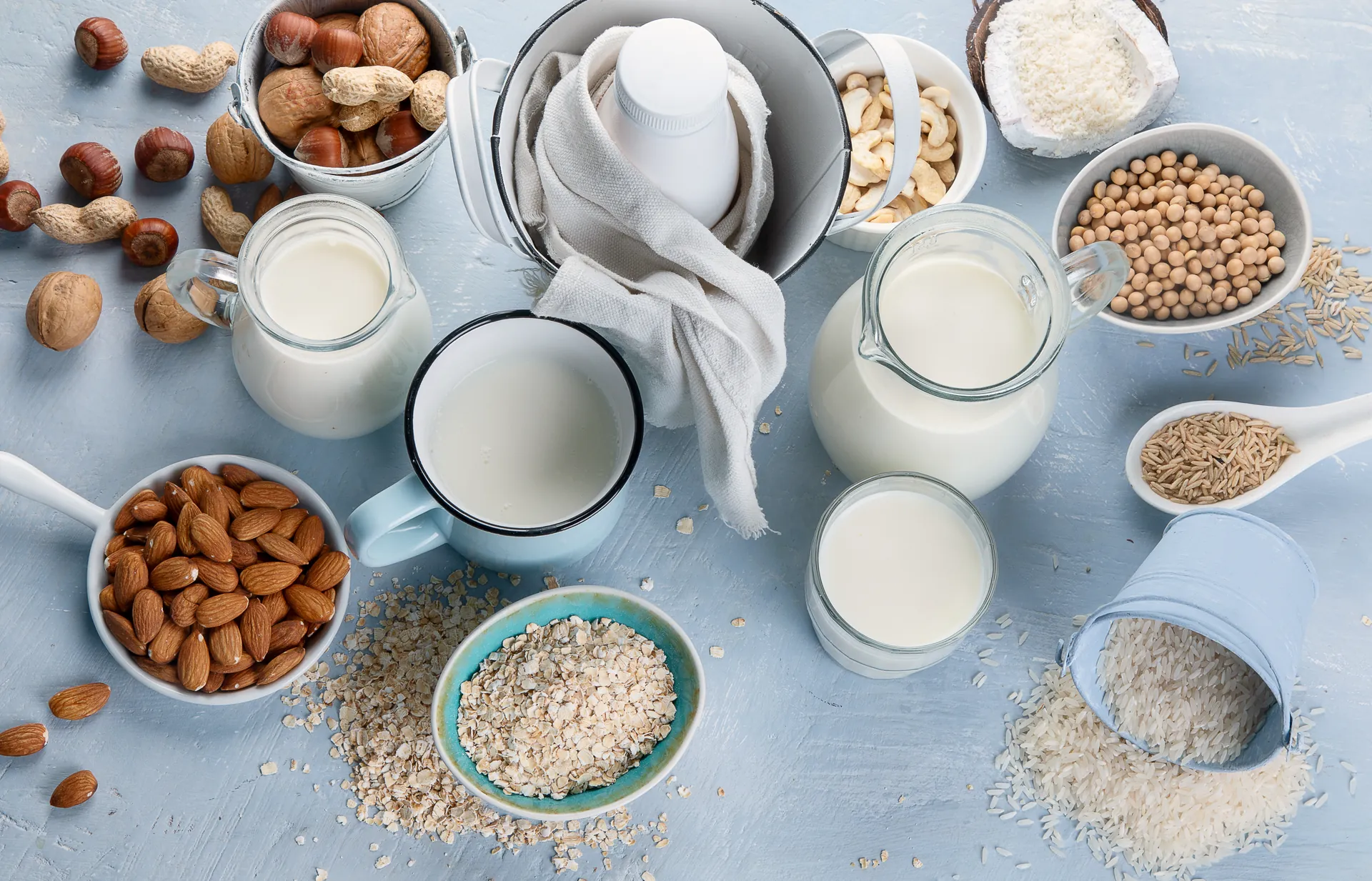
The best alternative milk products for lactose intolerance are lactose-free dairy milk and plant-based milks such as Soy, Oat, Almond, Coconut, and Rice milk. Lactose-free milk is real cow’s milk with the lactase enzyme already added to break down the lactose, so it keeps the familiar taste, texture, and nutritional profile of regular milk, including its calcium and protein, without causing symptoms.
Plant-based milks are naturally free of lactose and offer variety in flavor and use. Soy milk is closest to cow’s milk in protein content, oat milk works well in coffee and baking, and almond, coconut, and rice milks provide lighter options. Because plant milks differ nutritionally from dairy, choosing versions fortified with calcium and vitamin D helps replace the nutrients dairy would normally supply.
For everyday use, these alternatives make it easy to enjoy milk in cereal, coffee, smoothies, and cooking without discomfort. Anyone who prefers regular dairy milk can also continue drinking it by using a lactase supplement to digest the lactose.
This applies, for example, to fast food, ready-made sauces and soups, canned food, frozen meals, ready-made mashed potato mixes, confectionery (e.g. pralines, chocolate, snack bars, etc.), bread, pastries and cakes as well as meat and sausage products.
Probiotics may help some people with lactose intolerance by supporting gut bacteria that assist in breaking down lactose, though results vary and probiotics do not replace the missing lactase enzyme. Certain strains found in fermented foods and supplements can improve digestive comfort over time, but they don’t reliably prevent symptoms when you eat a lactose-rich meal.
For dependable, on-demand relief, a lactase enzyme supplement is the more direct solution. Lactrase® supplies the lactase your body lacks exactly when you need it, breaking lactose down during the meal so you can enjoy dairy without waiting on changes to your gut flora.

If you need to take medication, ask your doctor or pharmacist whether the product is lactose-free, or check the list of ingredients yourself.
If you regularly experience symptoms after consuming dairy products, it is important to speak with a doctor or healthcare professional. Lactose intolerance can usually be diagnosed with an H2 breath test, which measures how the body digests lactose.
Persistent digestive problems should always be medically evaluated to rule out other conditions such as:
Lactose intolerance can go away only when it is the secondary, temporary type, while the common primary form is lifelong but easily managed. Secondary lactose intolerance, caused by damage to the small intestine after an infection, celiac disease, or Crohn’s disease, often resolves once the underlying condition is treated and the gut lining heals, restoring lactase production. Primary (adult-onset) lactose intolerance, by contrast, reflects a natural, permanent decline in lactase, so the goal is control rather than cure.
Managing it comes down to the two proven approaches covered above, used alone or together. The first is adjusting your diet by limiting high-lactose foods and choosing lactose-free and low-lactose alternatives. The second is taking a lactase enzyme supplement, which lets you enjoy dairy without dietary restrictions by digesting lactose as you eat.
This is where Lactrase® fits naturally into everyday life. With strengths tailored to different needs, Lactrase® 3300, 6000, and 18000 FCC units, you can match the dose to the meal, from a splash of milk in coffee to a full dairy dessert. While primary lactose intolerance may not disappear, Lactrase® means it no longer has to limit what you eat, letting you enjoy dairy comfortably and symptom-free.

The following table shows the lactose content of common dairy products. You should test for yourself which amount of Lactrase® is sufficient for you. We recommend starting with two capsules or mini-tablets of Lactrase® 3300 or one capsule or mini-tablet of Lactrase® 6000 per 5 g of lactose in the meal.
| Food | Serving size | Ø Lactose per serving size | Recommended FCC units |
|---|---|---|---|
| Cow milk | 200 ml | 9,8 g | 6.000 |
| Buttermilk | 500 g | 18,8 g | 11.500 |
| Whey, whey drinks | 200 ml | 7,2 g | 4.500 |
| Condensed milk | 15 g | 1,4 g | 1.000 |
| Cream, cream (sweet, sour) | 50 g | 1,6 g | 1.000 |
| Creme fraiche | 50 g | 1,4 g | 1.000 |
| Yogurt | 150 g | 7,0 g | 4.500 |
| Low-fat curd cheese | 200 g | 8,2 g | 5.000 |
| Cottage cheese | 50 g | 1,3 g | 1.000 |
| Kefir | 200 g | 9,5 g | 6.000 |
| Ice cream (with milk) | 75 g (1 scoop) | 4,5 g | 3.000 |
| Cream cheese | 50 g | 0,9 g | 500 |
| Processed cheese | 50 g | 2,3 g | 1.500 |
| Butter | 25 g | 0,1 g | 50 |